Old gay people dating Columbia United States
Contents:
Students stressed that even these generalized slurs contributed to a sense of hostility and danger in the school environment. In each of the five states where interviews were conducted, researchers encountered schools where slurs were ubiquitous. Katrina I. Students also encountered anti-LGBT graffiti and slurs written on the school building, tests and papers, and personal property, and noted that their schools failed to investigate or rectify the vandalism. Kayla E. Molly A. Lee W. Experiencing targeted verbal harassment had negative effects on student mental health.
Zack T. Jayden N. Students noted that some of the verbal harassment they encountered occurred in spaces that were unmonitored by teachers, administrators, and other staff, such as hallways, cafeterias, buses, and locker rooms. Yet even in classrooms and in communal spaces where school personnel were present, many students said teachers did little to intervene to stop slurs and verbal harassment.
Colin N. Noah P. Students said that when teachers did intervene, intervention was at times sporadic or inadequate. Daisy J. Arthur C. Other teachers also acknowledged that slurs were prevalent and used within earshot of school personnel. Monica D. Interviewees indicated that teachers lacked training or support to know when and how to intervene when slurs were used.
As Isabel M. Alice L. In some instances, teachers responded to slurs in ways that affirmatively encouraged verbal harassment. Eric N. In addition to tacit encouragement, some teachers themselves made dismissive or derogatory comments about LGBT people, sometimes passing off such remarks as jokes and on other occasions appearing to intend disparagement.
Bianca L. Michelle A. Tristan O. And that chips away at you. Eliza H. Condemnation of students on religious grounds was particularly evident in interviews in Utah. Across the state, public schools give students release time in which the school disclaims responsibility for the student and allows them to leave the campus. During this period, students may attend seminary classes in church buildings adjacent to public schools for religious instruction.
Students described strong pressure to attend seminary. The de facto arrangement between public schools and the church can expose students to overtly anti-LGBT messages.
When students presented a different point of view, they said they were rebuked. Brenda C. In interviews, teachers themselves recalled colleagues making derogatory comments to students.
Percent of Adult LGBTQ Population Covered by Laws
LGBT students described a double-edged relationship with technology and social media, which allowed them to find communities online to explore their sexual orientation and gender identity, but also exposed them to bullying and harassment. Students acknowledged that cyberbullying is a problem for middle and high schoolers generally, but said LGBT students could be particularly vulnerable to harassment. Miley D. In some instances, students took advantage of anonymous apps to target and harass LGBT peers.
- Omiya Japan area gay dating.
- Colombia Hotels and Places to Stay!
- Gay (LGBT) Life in Colombia - Colombia Forum;
- online free gay dating site in Bhatpara India.
- kinky gay dating Corrientes Argentina.
- how to have gay hookup Abeokuta Nigeria!
- Site Index;
In other instances, students circulated unflattering photos or videos to misgender, mock, and embarrass LGBT peers online. The public exposure and ridicule that students face as a result of cyberbullying can have negative repercussions for their mental health and academic achievement.
Site Navigation
Carson E. Yet when cyberbullying occurred, many students indicated that their schools were reluctant or ill-equipped to respond. Natalie D. Unlike gay and bisexual boys, who were rarely treated as sex objects by their peers, lesbian and bisexual girls said they were regularly propositioned for sex by straight male classmates.
Other students described invasive questions about sexual practices and genitalia, which were most often reported by transgender and gender non-conforming youth. Dominic J. In addition to sexual harassment, lesbian and bisexual girls and transgender and gender non-conforming students were subject to overt threats of sexual assault.
Tracy M. Julian L. Some lesbian and bisexual girls and transgender and gender non-conforming students were physically groped and touched by young men who learned they were LGBT. As early as middle school, lesbian and bisexual girls and transgender and gender non-conforming students described being targets for unwanted touching and sexual assault. Alexis J. Students said some teachers failed to take sexual harassment seriously. Even in the absence of overt bullying and harassment, LGBT students in each state where interviews were conducted suggested they felt alone or unwelcome in their school environment.
Schools are difficult environments for many youth, but for LGBT youth, isolation and exclusion are exacerbated by a lack of role models, resources, and support that other students enjoy. A lack of friends and feelings of loneliness were common for LGBT youth. Jonah O. Isolation can begin as early as elementary school; Raven C.
Isolation and exclusion were particularly difficult for many LGBT students because it was not something they felt they could report.
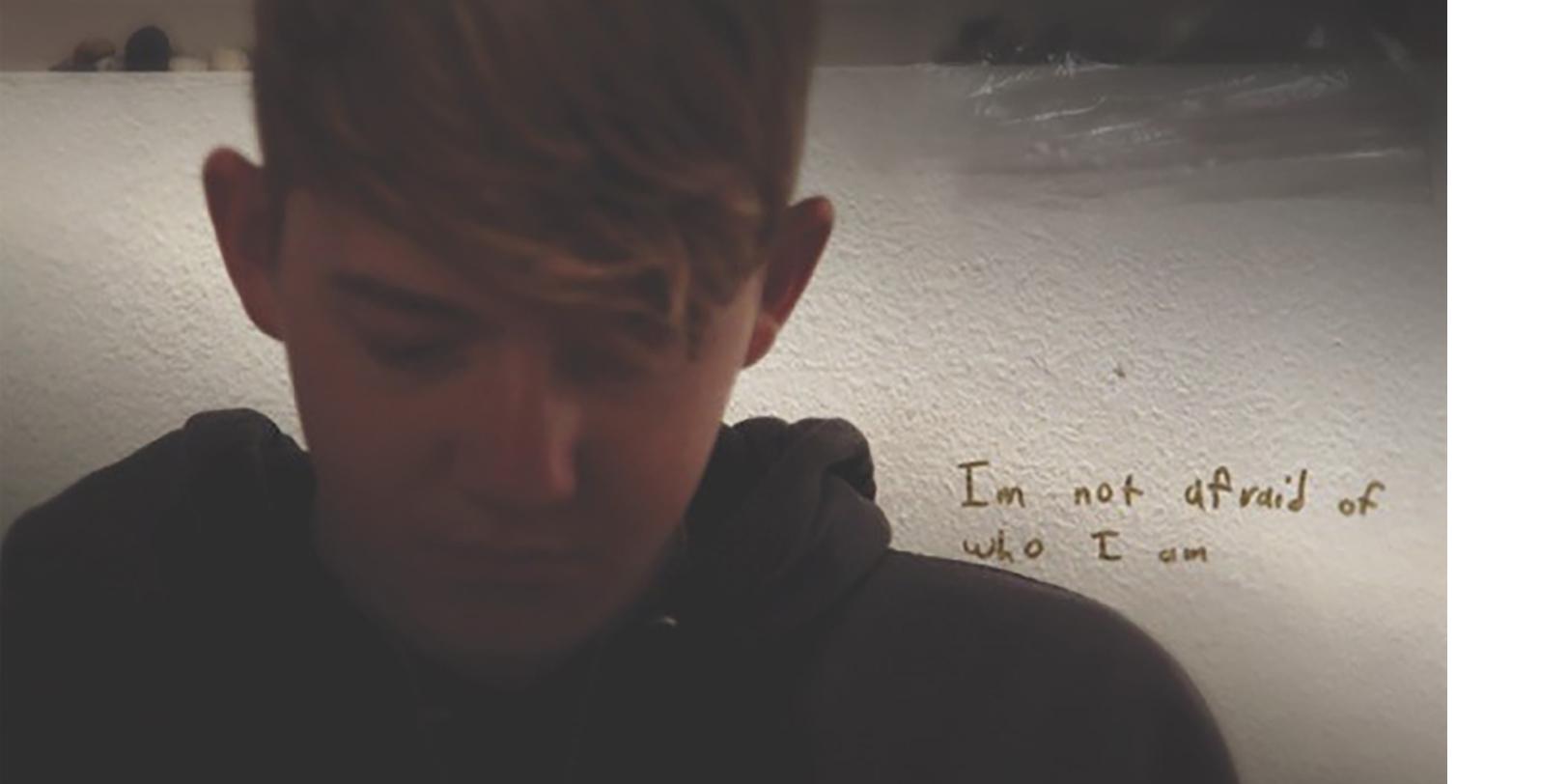
Students isolated and excluded LGBT peers in ways that were apparent to those students but not so obviously egregious that teachers or administrators would take any one incident seriously. A common example was belittling comments or exclusion from group activities. As Ginger M. LGBT students responded to isolation and exclusion in different ways. Some recounted how they carefully policed their behavior, dress, and friendships to fit in and avoid harassment.
Max R. Others responded by distancing themselves even further from their peers.
Movement Advancement Project | Nondiscrimination Laws
Caleb C. Even spaces created for LGBT youth at times failed to serve all youth equally. Some interviewees noted that the GSAs at their schools were inclusive only of students who identified as gay or straight, and had little to offer to students with other identities. Cassidy R. Christopher I. Furthermore, LGBT students of color experienced intersectional isolation as a product of their sexual and gender identities and racial, ethnic, and national identities.
Nora F. Schools typically encourage students to report when they are bullied or harassed by students or adults. Yet some students who did report physical bullying, verbal harassment, or sexual harassment were rebuffed. Garrett B. Silas G. Students reported being told their schools could not address bullying or harassment without proof, and used the fact that they lacked the evidence necessary to discipline a student to justify inaction.
- Most Gay Friendly Cities in Conservative States: LGBTQ Rights & Laws - Thrillist.
- Gay (LGBT) Life in Colombia - Colombia Forum - Tripadvisor?
- tom murphy Pereira Colombia gay escort.
- gay pick up Sakai Japan.
- Gay Conversion Therapy's Disturbing 19th-Century Origins - HISTORY.
- local gay dating Cucuta Colombia!
- dante El Mahalla el Kubra Egypt gay escort;
Furthermore, students who tried to document various forms of bullying and harassment with their phones or cameras found themselves being punished for using devices in school. Students who engaged or fought back faced additional barriers or punishment, even when the instigator went unpunished. Ginger M.
Schools directly teach and instruct students with curricular offerings. But they also provide physical and mental health resources, library materials, access to the internet, extracurricular and noncurricular activities, and opportunities to socialize. In each of these areas, students noted that LGBT perspectives were either neglected or expressly excluded on the grounds that they were not appropriate or relevant for youth.
As LGBT people become more visible, research suggests that students are coming out or exploring their sexual orientation and gender identity at younger ages. The silence surrounding LGBT issues in schools not only sends a message to students that their identities are somehow inappropriate, but leaves them ill-prepared to deal with issues that schools equip their heterosexual and cisgender peers to handle. In each of the five states examined in the research for this report, most students said that their teachers had never raised or discussed LGBT issues in class.
Logan J. Nobody likes to mention it.
The Gayest Place in America?
Amy L. W hen LGBT issues did come up in class, students said it was often as a debate in a government or current affairs class, where the teacher remained pointedly neutral on the topic. Some students took offense at this type of approach to LGBT issues, noting that it placed their identities, relationships, and morality up for debate and exposed them to scrutiny in ways their peers did not experience.
Fatima W. Teachers in some schools silenced students who attempted to raise LGBT issues as a topic of discussion. Rowan C. In some instances, teachers rebuked students for speaking up about LGBT issues. Angela T. In some instances, teachers rebuked students who brought up LGBT issues or themes. Catherine G. Even some supportive teachers, fearing backlash, expressed reluctance to engage with LGBT topics in class. Sharon B. Joe J. In each of the states where interviews were conducted, students said the sexuality education they received was nonexistent or inadequate—only teaching abstinence, for example—often because it was not taught or was not a required component of the curriculum.
However, when it was taught in their school, they said it was especially limited for LGBT youth. Some teachers placed LGBT issues off-limits or made clear they would not be teaching about same-sex activity. While sexuality education can and should explain that HIV and other STIs can be transmitted through same-sex activity, students recalled classes where LGBT people were only treated as vectors of disease, and with little or no discussion of the ways LGBT people might protect themselves with safer sex practices.
Placing the onus on students to ask questions or raise LGBT issues made it difficult for them to elicit the information that they needed to lead safe, healthy, and affirming sexual lives. For many students, it was not clear what information they would need in the future or what questions they should ask. Even when they had specific questions, some LGBT students did not feel comfortable asking for further information in front of their peers.
Lacey T. When students themselves tried to raise questions that were pertinent to LGBT youth, instructors more typically reacted with embarrassment or deflection. Kevin I. The existence of no promo homo laws has a particularly chilling effect on LGBT-relevant education.