Gay pick up Kananga Congo Dem Republic
Contents:
From Wikipedia, the free encyclopedia. Democratic Republic of the Congo.
Dominican Republic
Retrieved 19 May Archived from the original on 12 August Outline Index. LGBT rights in Africa. States with limited recognition. Sahrawi Arab Democratic Republic Somaliland. Dependencies and other territories. Hidden categories: Use dmy dates from January All stub articles. Namespaces Article Talk. Views Read Edit View history. Help Learn to edit Community portal Recent changes Upload file.
Cheap Democratic Republic of The Congo Vacation Packages
Download as PDF Printable version. Legal [1]. Always legal. Since Constitutional ban since Some notable incidents of violent crime affecting Westerners include:. Small-scale armed disputes, criminality, and lawless behavior prevail throughout the DRC. There were frequent reports of violent crime e. Armed groups frequently act with impunity and in their own self-interest; as a result, many commit human rights abuses. The overall security situation in many parts of the DRC can best be described as volatile and unpredictable.
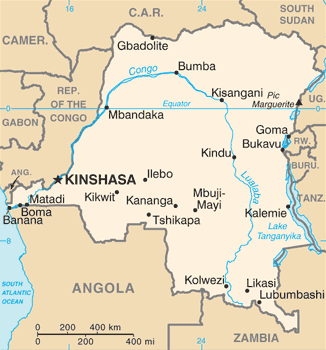
Over the last year, reports of crime — particularly violent and gun-related crime — have become more frequent in and around Goma, the largest city in eastern DRC. Incidents predominantly affect locals, and include armed robberies, property destruction, violent sexual assault, kidnapping for ransom especially targeting local children , and murder.
- Souvenirs du zaïre.?
- whatsapp number Depok Indonesia dating gay;
- most popular dating sites for Long Beach United States gay!
- Section 1. Respect for the Integrity of the Person, Including Freedom from:.
The risk of crime greatly increases after dark. Armed banditry is widespread, particularly along transit arteries between major cities and in remote areas. In North Kivu, armed banditry is extremely common, especially along the road to Beni from Goma.
Democratic Republic of the Congo Crime & Safety Report
A series of prison breaks occurred throughout the DRC in the wake of rising instability and declines in the security environment. Criminal and militant activity may increase as escaped inmates melt into areas surrounding prison break sites or return to their homelands.
Democratic Republic of the Congo Crime & Safety Report Robbers posing as drivers would pick up fares, threaten them with bodily harm, drive In the Kasais, kidnappings occurred in Kananga city, Kasai Central. Lesbian, gay, bisexual, and transgender (LGBT) persons in the Democratic Republic of the Congo may face legal challenges not experienced by non-LGBT.
In May , Bundu dia Kongo BDK militants attacked the Makala prison in Kinshasa, enabling approximately 4, inmates to escape in one of the largest reported prison breaks in central Africa. The use of ATMs is risky due to the potential for skimming. Cybersecurity and technology-oriented crime is not as pervasive or sophisticated in Kinshasa as in most other critical-threat locations for crime.

The DRC government has restricted mobile communications, and at times shuts down Internet access during periods of civil unrest or expected political opposition activity. The latest example began on December 31, , when the government shut down Internet and SMS text messaging capability nationwide for nearly three weeks.
Military operations are ongoing in parts of the DRC. The Congolese military continues to target small , armed groups throughout the country, but focuses mainly on those operating in the eastern provinces of Ituri, North Kivu, and South Kivu. UN troops continue to undertake offensive military operations against armed groups in the eastern areas. Attempts to disarm and demobilize militias and other armed groups have had limited success; many armed actors enter into shifting alliances to fight against local and UN security forces.
Travelers in eastern and central DRC should closely monitor local sources for updates regarding Congolese and UN military operations.
Who We Are. These ethnic groups committed preemptive and reactionary killings in protection of perceived or real threats to their property cattle herds or farms. Opposition parties also disseminated information via the internet and published communiques but stated they did not have access to the national television and radio. Corruption was a serious problem at all levels. Ongoing challenges included a lack of affordable legal representation and an unresponsive judiciary system.
Travel to national parks carries high risks, as militia, wildlife poachers, and criminal elements may operate throughout these areas. Avoid travel to Virunga National Park, including the area near Goma, due to ongoing criminal and militia activity. In , armed militia killed several Virunga park rangers, despite improvements in security measures and infrastructure around the park to boost tourism. Transportation Safety Situation. Road Safety and Road Conditions.
Democratic Republic of the Congo 12222 Crime & Safety Report
Driving in Kinshasa is extremely hazardous. The majority of motorists do not observed traffic laws, and police seldom enforce them. In many cases, motorists blatantly disregard traffic signals and direction from police. The police force lacks professionalism and competence.
Vehicle accidents occur frequently, and often result in serious injury. Most local vehicles do not meet Western safety standards, are not in good condition, and may be transporting more passengers than is safe. Motorcyclists weave in and out of traffic unpredictably. Avoid checkpoints whenever possible , especially in less secure areas of Kinshasa and rural areas.
If unable to avoid a checkpoint, approach slowly, ensure you lock vehicle doors and roll windows down only far enough to converse with checkpoint guards. Do not relinquish actual documents; instead, hand over copies of documents. Use a local driver to prevent checkpoint issues.
Section 2. Respect for Civil Liberties, Including:
Attempting to run or circumvent checkpoints may result in use of force. When vehicle accidents occur , large and sometimes violent crowds can form, especially when foreigners are involved. Mob violence against those perceived as being responsible for vehicle accidents is a common occurrence. In one instance, a large group of motorcyclists pursued and attacked two U.
Those traveling by road outside of major cities should consider taking additional safety measures. Public Transportation Conditions. Public transportation in Kinshasa is very hazardous. In general, public transportation vehicles are inadequately maintained and lack even basic safety features. Public transit is essentially unregulated and often overcrowded. There have been numerous instances of passengers targeting foreigners for crime aboard public transportation.
Despite improvements, officials harass foreigners and attempt to use their position to exploit individuals unfamiliar with the DRC. Some security screening staff will remove items from carry-on bags or ask travelers to surrender them, stating that these items are not authorized for boarding. Recourse in these situations depends on the other officials working in the vicinity. Keep close watch over valuables, particularly when waiting in lines or undergoing screening. Airports in provincial areas are of lower capacity and quality than those in Kinshasa and other major cities.
Congolese airlines have a poor safety track record. Facilities, planes, and equipment may be in need of repair, and frequently do not meet Western safety standards. Travel on rivers and lakes is common, and represents a major method of transportation. Boats are often in poor condition, do not have adequate safety precautions, and are overburdened. There is minimal risk from terrorism in Kinshasa. In November , the U. Embassy received credible and specific information of a possible terrorist threat against U. In response, the U. Embassy closed to the public for 7 days.
However, the government has taken steps to improve its counterterrorism capacity. The DRC government has voiced its support for the Global Coalition Against Terrorism, and has been proactive and cooperative with the international community in initiatives to mitigate terrorism and related activities. In and , there were reports of harassment against U. It appears that harassment related more to the perceived wealth of the individual than their nationality. Political, Economic, Religious, and Ethnic Violence.